 UK Belles
 From Bars to Supper Clubs: Alternative Adult Nightlife
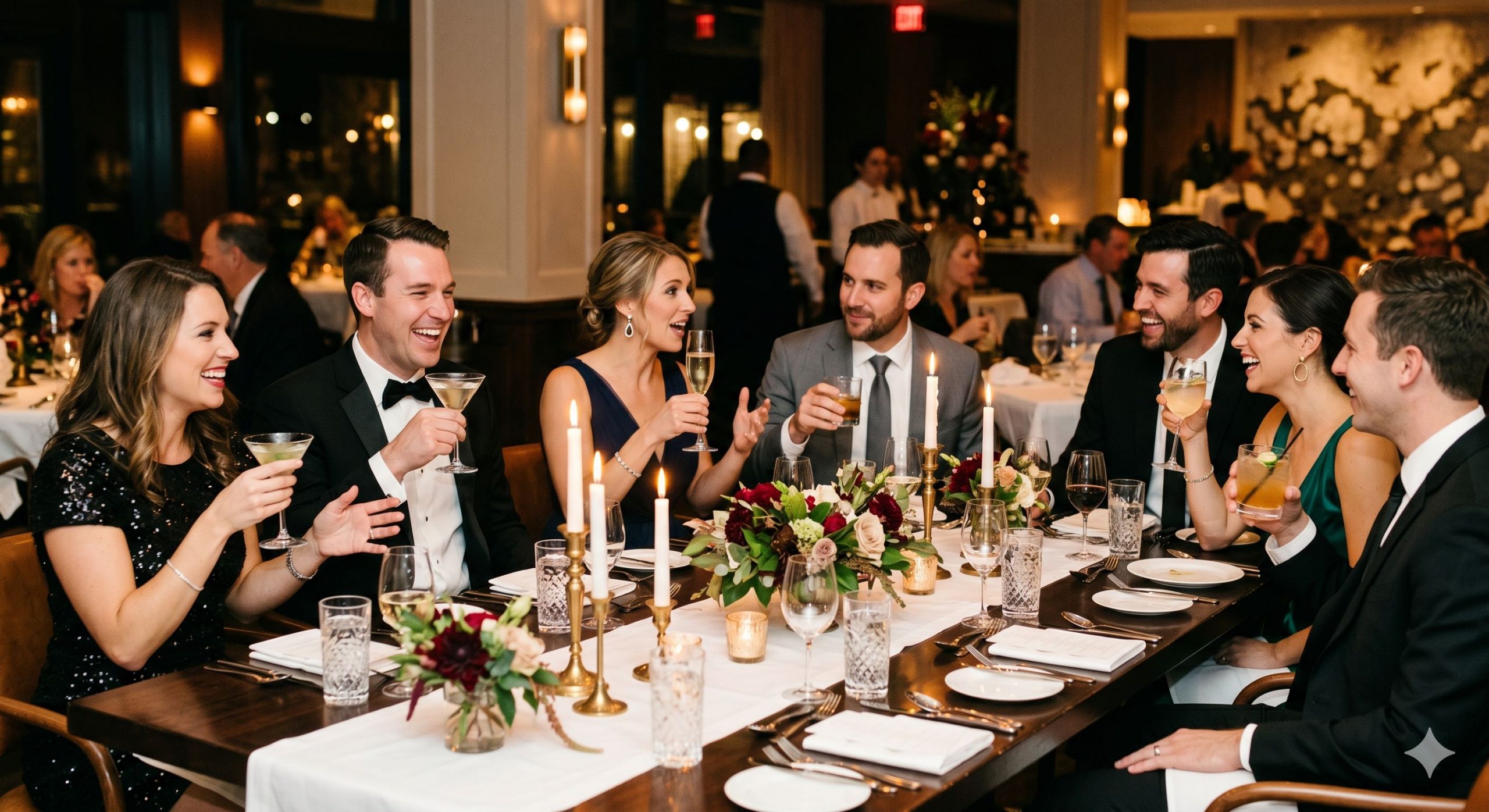
London after dark has never been so interesting.
The days when a night out meant choosing between a packed bar and a pulsing nightclub are fading. Across the UK, adults with money and taste are spending their evenings differently. They want atmosphere. They want conversation. They want to walk away feeling like they experienced something, rather than simply surviving the queue.
And the nightlife industry has taken notice. From candlelit supper clubs in Marylebone townhouses to vinyl-only listening bars in King’s Cross, a quieter revolution is reshaping what it means to go out after 10pm. The result is a landscape that feels more personal, more curated and far more rewarding than anything a bottle-service booth ever offered.
The Shift Away from Volume
For years, the default formula for a big night out was simple: loud music, strong drinks, late hours. That formula still works for some. But a growing number of people, particularly professionals in their thirties and forties, have moved on.
The numbers reflect this. According to DesignMyNight, searches for competitive socialising venues have more than tripled since 2017. Late-night dining reservations in London are up 15% year on year. Meanwhile, the UK’s night-time cultural economy continues to grow even as traditional club venues close.
What is filling the gap? Experiences with substance.
Supper Clubs and the Return of the Table
The supper club has made a serious comeback. Once the preserve of underground food bloggers hosting strangers in their flats, the format has matured into something altogether more polished.
Today’s supper clubs run the full spectrum. At the relaxed end, you have chef-led pop-ups in canal-side warehouses, serving ten-course menus to forty guests. At the other, private members’ supper events in Mayfair and Belgravia, where the guest list matters as much as the menu. Who What Wear UK now runs a monthly supper club. Symrise, the flavour house behind some of the world’s most recognised food brands, recently published research calling supper clubs the defining social format of the mid-2020s.
The appeal is obvious. A supper club gives you a fixed number of seats, a shared experience, and the kind of conversation that rarely happens when you are shouting over a DJ. There is a reason the format resonates so strongly with professionals and high earners. When you spend your working life in environments built around quality, you notice immediately when a social setting does not match up. A forty-cover dinner in a Georgian townhouse, with a menu designed specifically for that evening, matches up. The local All Bar One does not.
For people who are used to quality in every other part of their lives, that intimacy is worth far more than a VIP wristband.
But supper clubs are only one part of a much wider shift.
Listening Bars, Low-Key Luxury and the Art of Slowing Down
If supper clubs are redefining dinner, listening bars are redefining drinks.
The concept started in Tokyo’s kissaten culture, where the music is the point and conversation happens around it, not over it. London has embraced the idea with real enthusiasm. Spiritland in King’s Cross remains the benchmark, with a custom-built sound system that would embarrass most recording studios. DesignMyNight reports a steady 15% year-on-year increase in people searching for live music in bars and pubs, a clear sign that audiences want sound quality, not just volume.
What makes listening bars so appealing to an older, more discerning crowd is the pace. There is no pressure to dance. No obligation to perform. You sit, you drink something thoughtfully made, and you listen. It sounds simple because it is. And yet very few nightlife formats manage to deliver that combination of sophistication and ease.
The Quiet Luxury Movement Hits Nightlife
This connects to a broader trend in the hospitality industry, which has labelled it “quiet luxury” in dining. High-end quality, served without ceremony. Restaurants like Brat and Chishuru have built enormous reputations on exactly this principle: brilliant food, zero pretension.
The same sensibility is now influencing how people think about their entire evening. The idea of getting dressed up, fighting for a table, and spending the night performing for the room feels increasingly exhausting. What has replaced it is a preference for smaller venues, better ingredients, genuine warmth from the people running the room, and the confidence to leave before midnight without feeling like you have missed out.
For anyone who has ever left a nightclub thinking “that was a waste of three hours and two hundred pounds,” the alternative scene is a revelation.
It also helps that the drinks have improved. The cocktail renaissance that started in Soho a decade ago has matured into something genuinely impressive. Bars like Archive & Myth now offer five-serve tasting flights of liquor-forward cocktails, each one the size of a few considered sips rather than a pint glass of sugar. Mini cocktails and tasting menus are a growing format, giving you range and quality without the volume. Drinking less, but drinking better, has become its own form of sophistication.
Private Members’ Clubs: Still Relevant, but Evolving
London’s private members’ club scene has always understood the value of exclusivity. Annabel’s, 5 Hertford Street, Loulou’s. These are names that carry weight precisely because not everyone can walk through the door.
But even this world is changing. The newer generation of clubs, places like Maison Estelle and The Twenty Two, lean harder into intimacy and design than sheer exclusivity. They are drawing members who want a beautiful room, an exceptional cocktail, and the knowledge that the person at the next table values the same things. The interiors have shifted, too. The industry is calling it “dopamine decor”: rich textures, bold patterns, theatrical lighting. Think 1970s Milanese glamour rather than minimalist Scandinavian restraint. Big Mamma Group’s Canary Wharf restaurant, dripping in chandeliers and hand-painted porcelain, is a perfect example. The message is clear: the evening should feel like an event from the moment you walk through the door.
Beyond the Club: Curated Evenings and Private Experiences
The most interesting development lies entirely outside the traditional club model. Curated evening experiences, hosted in private residences, hotel suites, or gallery spaces, are growing fast among London’s high-net-worth social circles.
These events blend elements of everything mentioned above. A chef preparing a meal for twelve. A jazz quartet in the corner. Carefully chosen guests. The format works because it delivers something no public venue can: complete privacy and the feeling that every detail has been arranged with you in mind.
For those who value discretion alongside quality, these private evenings represent the gold standard. And the people who organise them, whether personal concierges, private event firms, or agencies that specialise in high-end social experiences, understand that the real luxury is not the champagne. It is knowing that every element of the evening has been considered.
That same philosophy, where personal attention and discretion come first, runs through every part of London’s premium social world. It is why high-class London escorts remain in demand among professionals and international visitors who expect the same calibre of experience from their companion as they do from the rest of their evening.
The Role of Food in the New Nightlife
One of the most striking changes in adult nightlife is how central food has become.
A decade ago, eating was something you did before you went out. Now it is the main event. Late-night dining has surged in London, with restaurants like Decimo in King’s Cross serving until 2am and Oriole launching dedicated late-night menus from 10:30pm.
Group dining is also booming. Searches for group-friendly restaurants are up 28% in the last six months, and the feast-style format, long communal tables laden with shared plates, has become the default for celebrations and corporate entertaining alike.
Why This Matters
The reason food has moved to the centre of adult nightlife is straightforward. A meal gives the evening structure and purpose. It creates a natural rhythm: arrival, conversation, courses, drinks, the slow drift into the night. Compare that with a bar, where the rhythm is dictated by how quickly you can get the attention of the person behind the counter.
For people spending serious money on a night out, that structure matters. It transforms an evening from something you consume into something you remember. And it raises the bar for everything else that follows. Once you have experienced a properly curated dinner, the idea of standing in a queue for a generic cocktail bar starts to feel slightly absurd.
What Comes Next
The direction of travel is clear. Adult nightlife in the UK is becoming more personal, more considered, and more experience-led. The venues that win are those that treat their guests like individuals rather than as footfall. The formats gaining ground, supper clubs, listening bars, private dining, curated evenings, all share one quality: they make you feel like you belong there.
This is a permanent shift, not a passing trend. The generation driving it has the income to be selective and the confidence to reject anything that feels mass-produced. They want an evening that reflects who they are. Smaller rooms. Better company. Genuine quality at every point of contact.
The packed nightclub will survive. It still serves a purpose and always will. But for a growing number of discerning adults, the best nights out in London no longer happen on the dance floor.
They happen around a table, in a room you have to know about, with people worth talking to.
And honestly, there has never been a better time to find them.