 UK Belles
 Creating a Personal Sanctuary: How Comfort-First Environments Redefine the Escort & Massage Experience
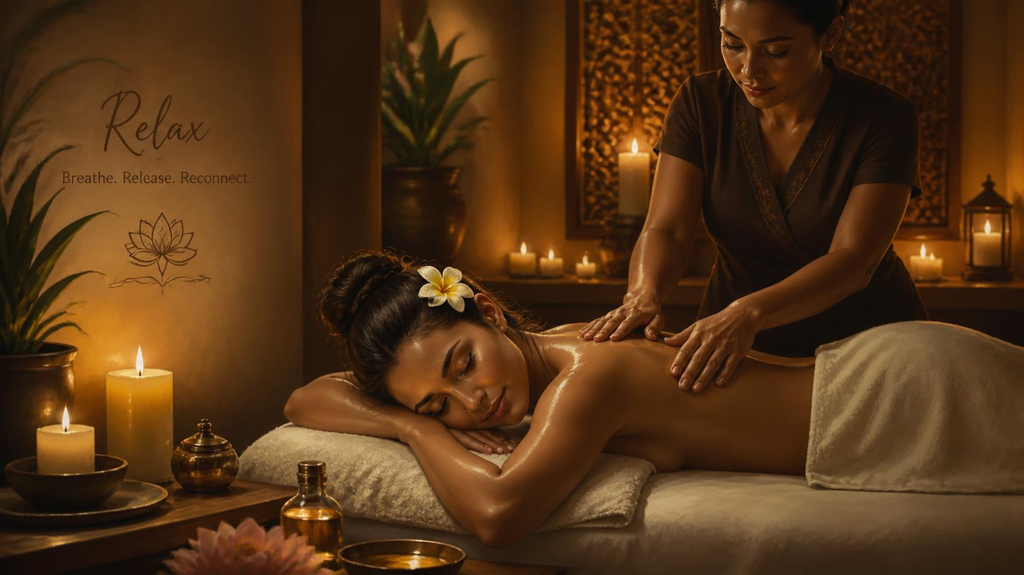
Walk into most spaces built around relaxation and you can tell within about ten seconds whether anyone actually thought about how it feels to be there. The lighting is either surgical or nonexistent. The air smells like a cleaning product doing its best to cover something. A radio plays somewhere, slightly too loud. You sit down and your shoulders stay exactly where they were.
Now picture the opposite. Soft light that doesn’t make you squint. A room warm enough that you don’t tense up the second you take your coat off. Somewhere to put your things without balancing them on a chair. It sounds small. It isn’t.
The truth most people in the wellness and companionship industry have figured out, sometimes the hard way, is that the environment does half the work before anyone says a word. Comfort isn’t the garnish. It’s the whole plate.
Why the room matters more than the marketing
You can write the most polished website copy in the world, but a person’s nervous system doesn’t read copy. It reads temperature, smell, texture, and whether the space feels like it was set up for them or just processed through it. And here’s the thing about relaxation: it can’t be faked into existence. You either feel safe enough to let your guard down or you don’t.
There’s real science under this, not just spa-brochure language. Research on the built environment and stress, including work summarized by the World Health Organization, consistently links physical surroundings to how the body regulates tension. Cluttered, harsh, unpredictable spaces keep the body in a low hum of alertness. Calm, ordered, warm ones let it stand down. So when a provider invests in atmosphere, they’re not being fussy. They’re removing the thing that stops people from actually receiving what they came for.
This is where a comfort-first philosophy separates the forgettable from the sought-after. Anyone can offer a service. Fewer can offer a place where a person genuinely exhales.
The details clients notice without noticing
Ask someone what made an experience feel good and they’ll usually give you a vague answer. “It was just relaxing.” What they rarely realize is that the feeling was assembled from a dozen tiny decisions they never consciously registered.
The thread count of the linens. Whether the towels were warm. If the room had a scent or an absence of one. How private the entrance felt. Whether they were rushed or given a minute to settle. None of these show up on a menu, and all of them decide whether someone leaves thinking “that was fine” or “I want to go back.”
Good practitioners obsess over this layer. Providers who take the craft seriously, such as the team behind nuru london, tend to treat the setting as part of the service rather than a backdrop to it, and clients feel that difference even when they can’t name it. That’s the whole trick, really. The care is invisible when it’s done right. You only notice it when it’s missing.
A short list of things that quietly matter
- Temperature that’s set before the client arrives, not adjusted after they complain.
- Lighting you can actually control, dimmable and warm-toned.
- Genuine privacy, from the street to the room.
- Cleanliness that’s obvious but not clinical.
- A sense of unhurried time, even when the schedule is tight.
Comfort as a form of respect
Let’s be blunt about something. A lot of industries that deal in personal, one-on-one service treat comfort as an upsell. You get the basic version, or you pay for the version where they actually made an effort. The best providers reject that framing entirely.
When a space is designed comfort-first, it sends a message before the appointment even begins: your ease matters here. You are not a booking slot to be moved through. That message lands harder than any advertisement, because people are surprisingly good at detecting when they’re genuinely welcome versus merely tolerated.
And respect, it turns out, is contagious in both directions. A client who feels looked after tends to relax, communicate more openly, and treat the person and the space with the same care they’re receiving. The whole interaction gets warmer. That’s not a coincidence. It’s the environment doing its job.
The professionalism nobody talks about
There’s a quiet professionalism in hospitality that rarely gets credit. Hotels understand it. Fine dining understands it. Wellness and companionship services that last understand it too, and the ones that don’t tend to burn bright and fade, propped up by discounts rather than reputation.
Consider how much of the luxury hospitality world runs entirely on atmosphere. As industry observers at places like Harvard Business Review have long noted, the experience economy rewards businesses that make people feel something, not just those that complete a transaction. A comfortable, thoughtfully arranged environment is emotional infrastructure. It’s what turns a one-time visitor into someone who tells a friend, quietly, that they found somewhere worth going back to.
And word of mouth, in this line of work especially, is everything. You can’t buy the kind of trust that comes from someone leaving a space feeling genuinely better than when they arrived.
Building a sanctuary, not just a room
So what does comfort-first actually look like in practice? It’s less about spending a fortune and more about paying attention. A modest room set up with real thought beats an expensive one arranged carelessly every single time.
It starts with the senses. What does the space smell like the moment the door opens? What’s the first thing the eye lands on? Is there a soft place to sit, a glass of water offered without being asked, a moment where the client is allowed to simply arrive before anything begins? These aren’t luxuries. They’re the difference between a service and a sanctuary.
It also means reading the person in front of you. Some people want quiet and dim light. Others relax with a bit of conversation first. A comfort-first approach isn’t a fixed formula stamped onto everyone. It’s an attentiveness that adjusts, and that flexibility is exactly what makes it feel personal rather than processed.
The providers who get this right understand that they’re not selling minutes. They’re selling the feeling of being cared for, in a space that was clearly made with someone’s ease in mind. That’s a much rarer product than it sounds.
Final thoughts
The industry is changing, and the shift is a good one. Clients are getting choosier, and the thing they’re increasingly choosing for isn’t flash. It’s comfortable. It’s discretion. It’s the feeling of walking into a place and immediately, almost bodily, knowing you can relax here.
That feeling can’t be manufactured with a coat of paint and a scented candle bought last minute. It comes from a genuine commitment to putting the client’s ease first, from the temperature of the room to the tone of the greeting. Get that right and everything else gets easier. Get it wrong and no amount of skill makes up for a space that keeps people tense.
In the end, a personal sanctuary isn’t a place. It’s a feeling you build, one small, deliberate choice at a time. And the people who understand that are the ones who’ll still be here, quietly full, long after the flashier competition has moved on.